I find it a personal challenge to give gifts that will be meaningful and used well beyond the occasion when the gift was given. This Christmas I decided to buy a trail camera for my partner. In all fairness I thought it might be a good family gift too, mainly because I work in environmental education and I was also excited to see how one works and the potential use for educational programs or observations. What follows is a short article on my observations and suggestions for personal or educational uses of a trail camera (or multiple cameras).
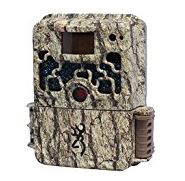
Trail cameras are also called game cameras because they are most often used to observe game animals and wildlife. There are many different shapes and styles of trail cameras depending on your budget and interest in using them, but alll trail cameras share some basic features. They are:
Hunters have known about trail cameras for a long time, as have wildlife photographers and wildlife managers. However, with increasing resolution and photo quality, as well as decreasing cost, trail cameras have become quite popular for researchers, educators, and the general public. Here are some examples:
One major area of interest in trail cameras is classroom use. Trail cameras are exciting for students, because the images that they catch are always surprising and different. Here area a few ways to use the trail camera for the classroom:
There are many great resources for educators, but here are a few that you might want to look into first:
Using trail cameras in education, and at home, sounds great but what is the cost?
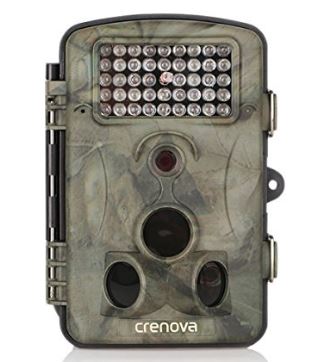
The trail camera the we bought from Amazon was the Crenova Game and Trail Hunting Camera 12MP 1080 HD with time lapse and infrared night vision. Around Christmas I purchased it for $85 but right now it's ranging from $92-$100. This is about average for a decent, every-day camera. The cost can be prohibitive for schools, nature centers, or individuals but the cameras are reusable and can last a long time, so they can be a good investment. If you have more than one camera you can obviously do more with specific trails, geographic areas, and habitats, but for every-day use we've been fine with one. For an education center I'd probably want at least four or five for maximum area coverage and to allow teams of students to work together (groups of 3-5 students).
Obviously if you're just an average wildlife lover, or a hunter, your need for a robust trail camera will be different than that of a researcher. I'm not an expert who can give you advice, but here are a few resources that you might find handy:
Hunters, Teachers, and Wildlife Lovers:
Researchers and Upper Level Educators (also worth reading for those in the categories above):
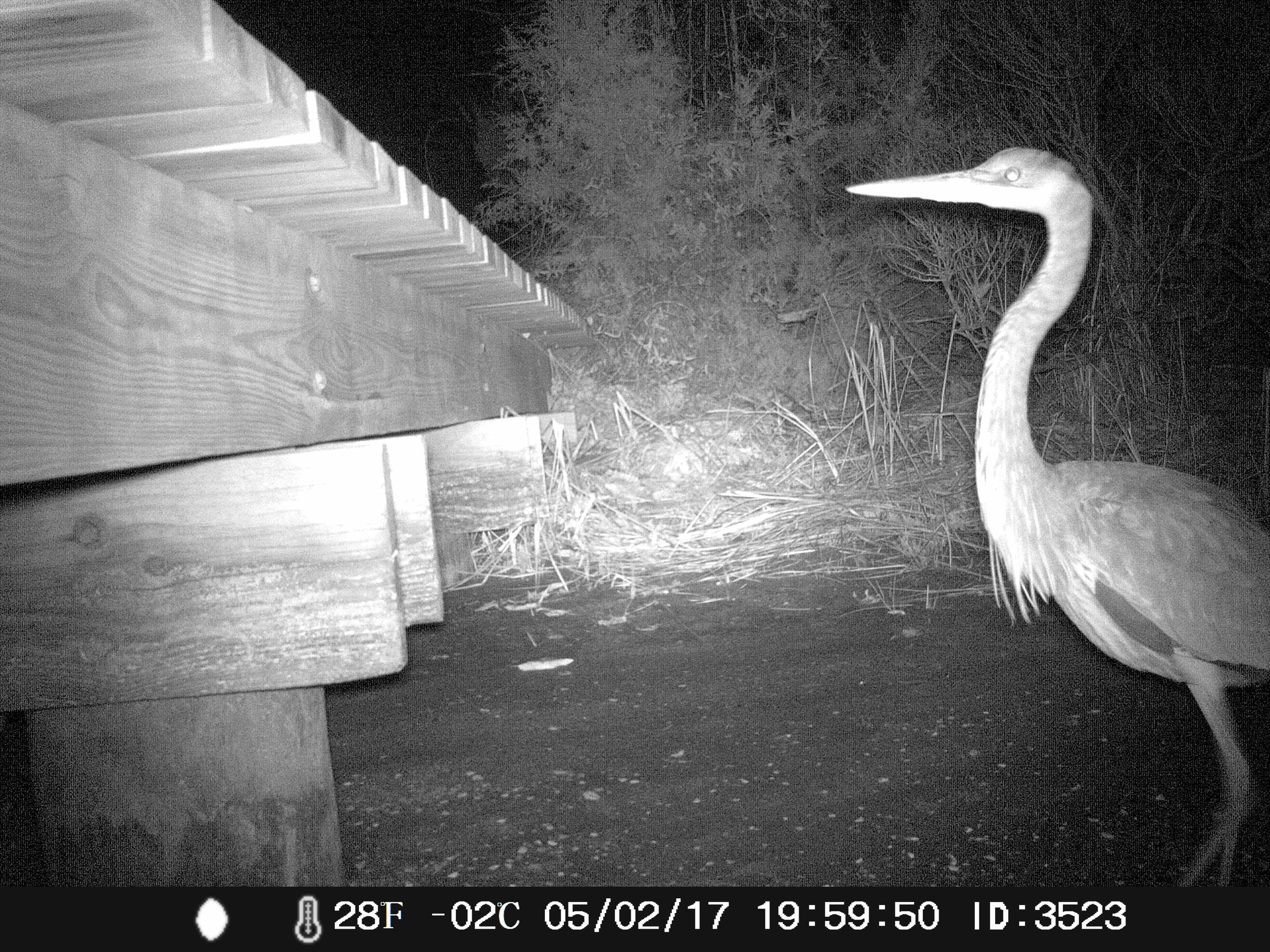
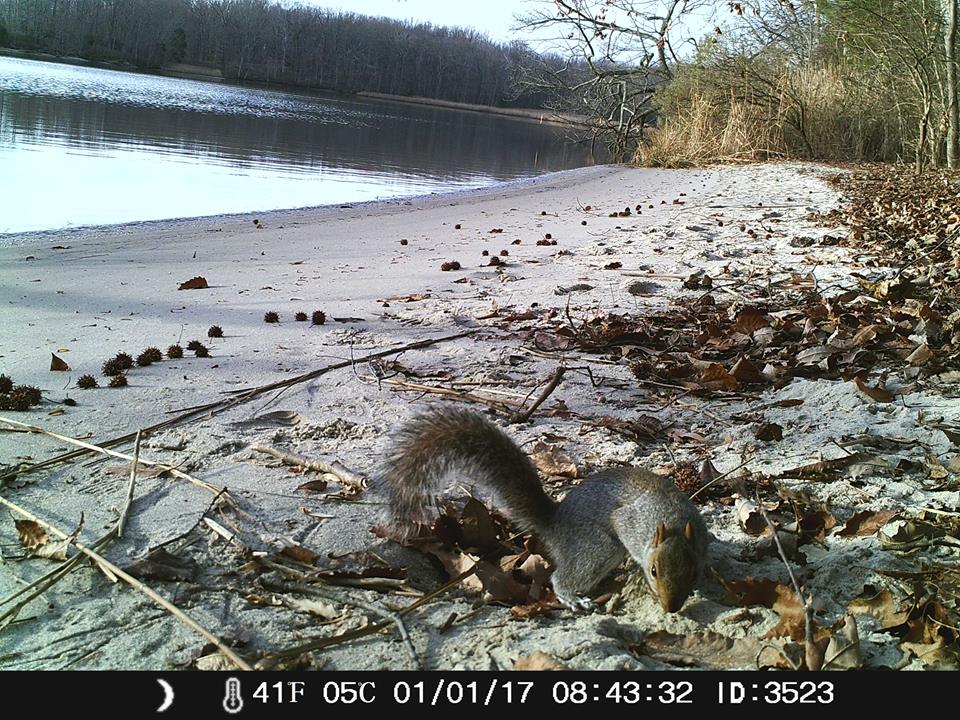
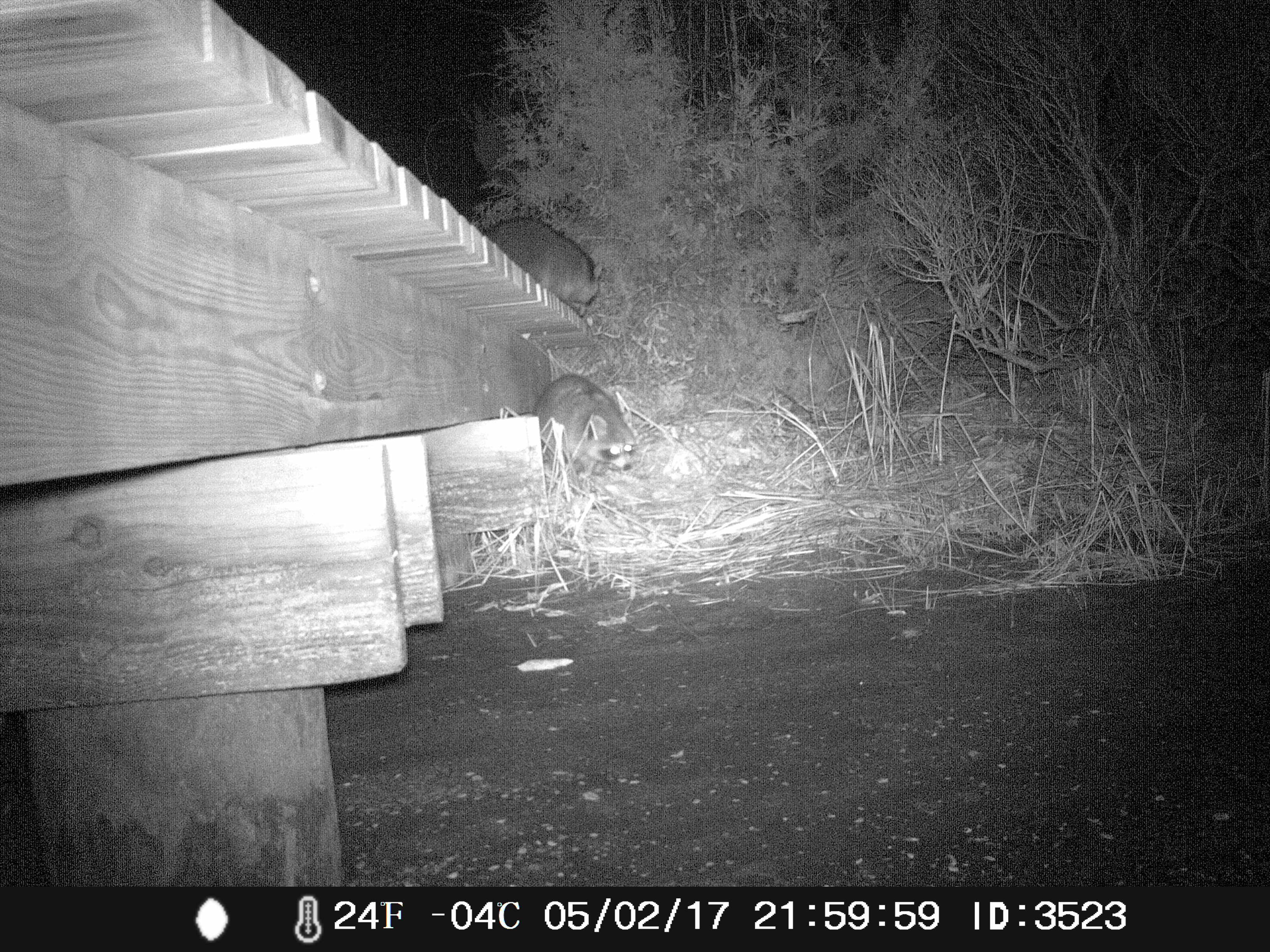
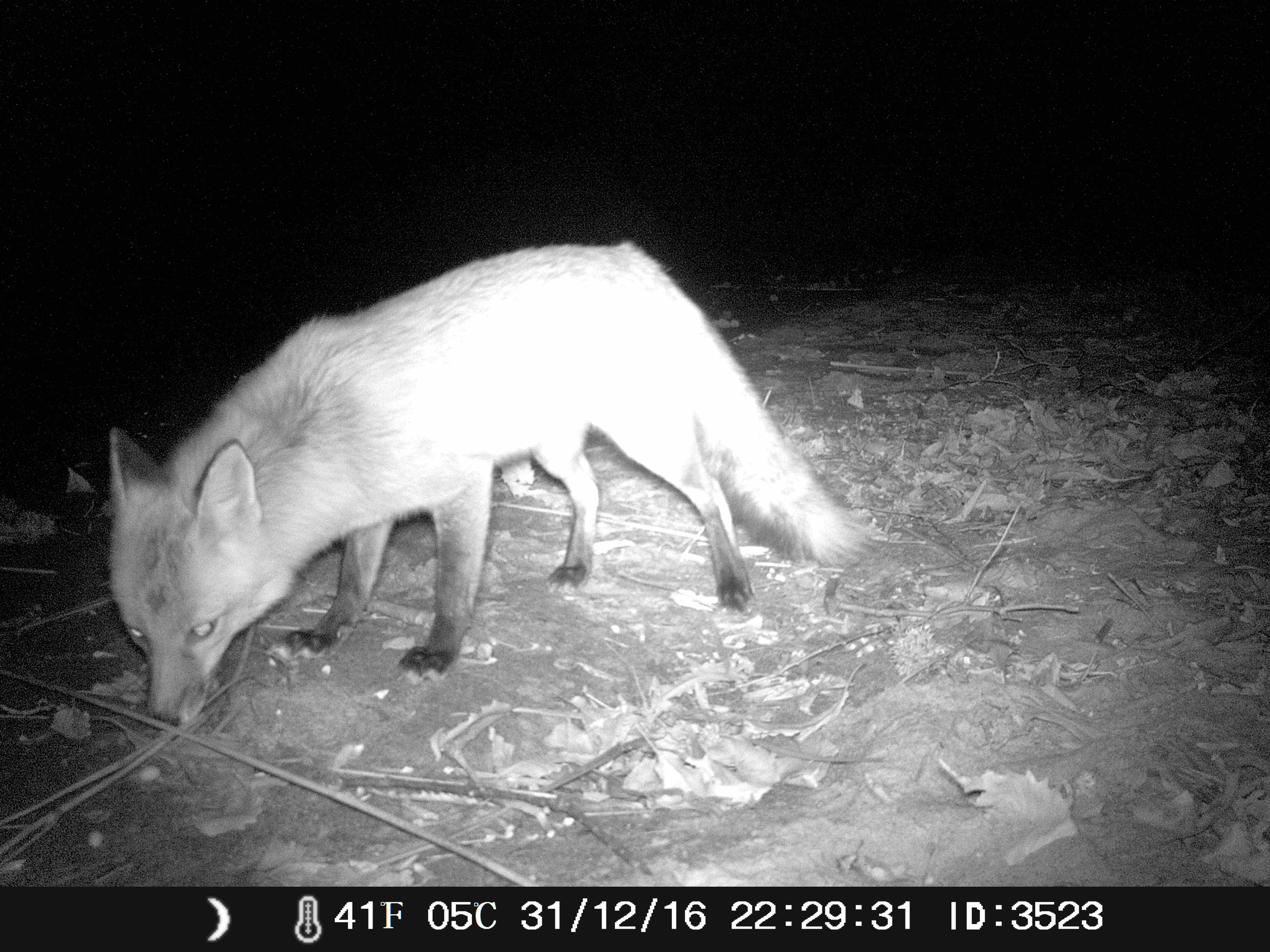
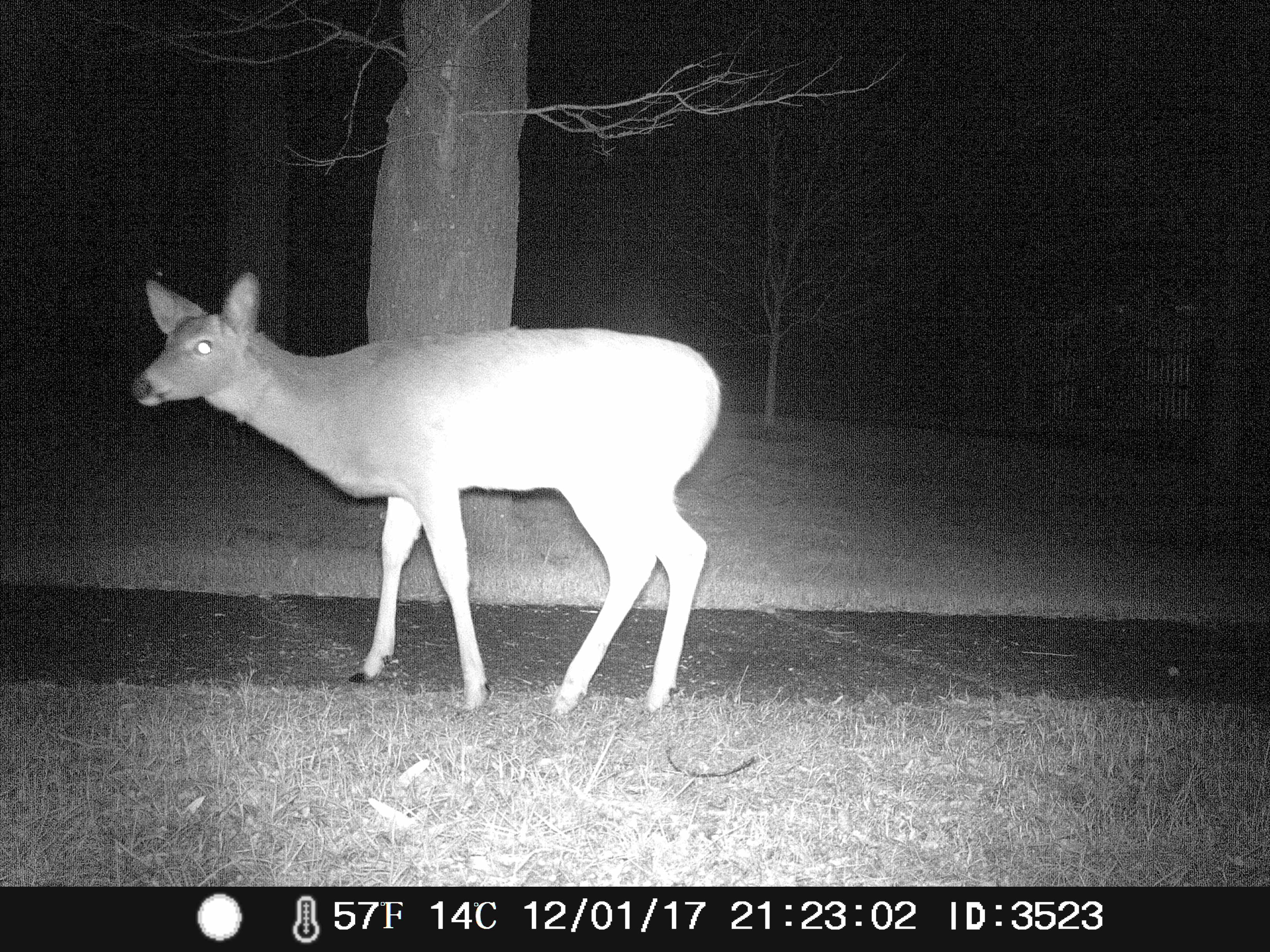
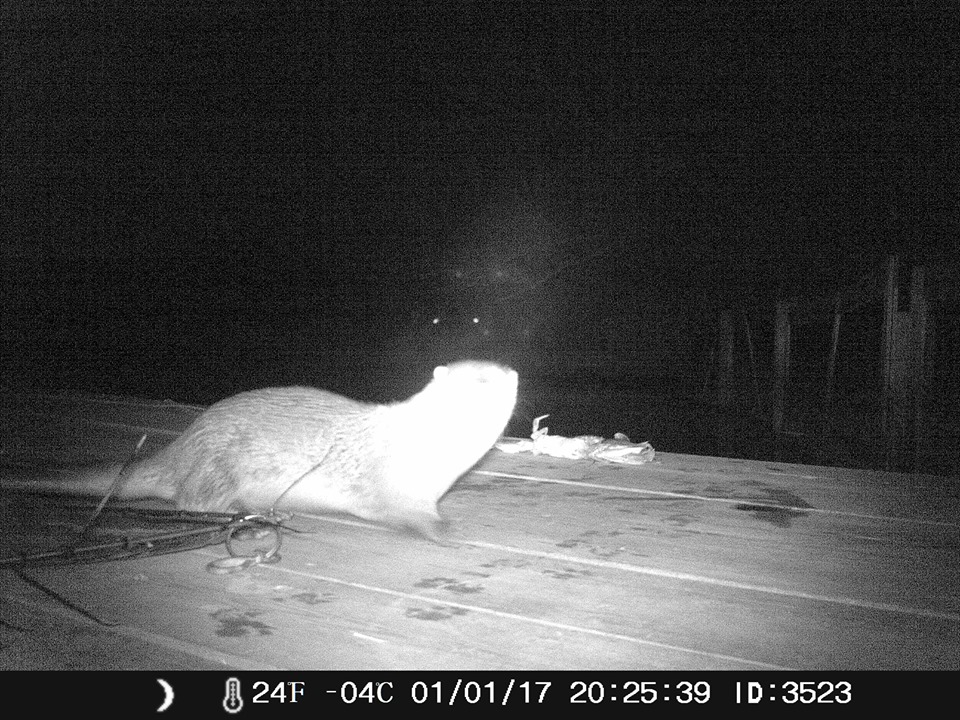
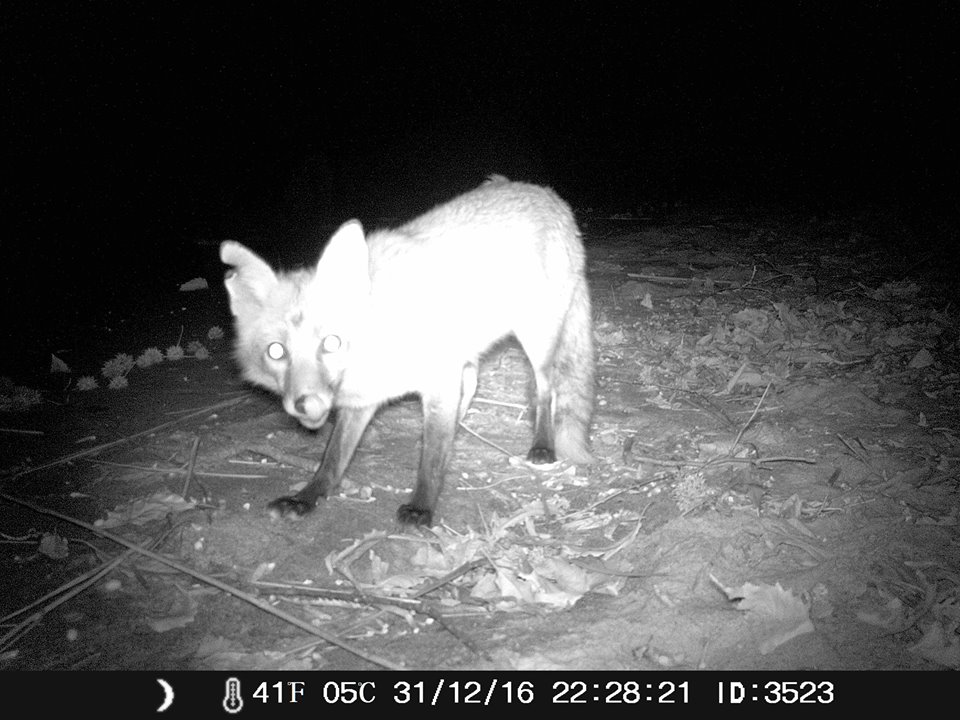
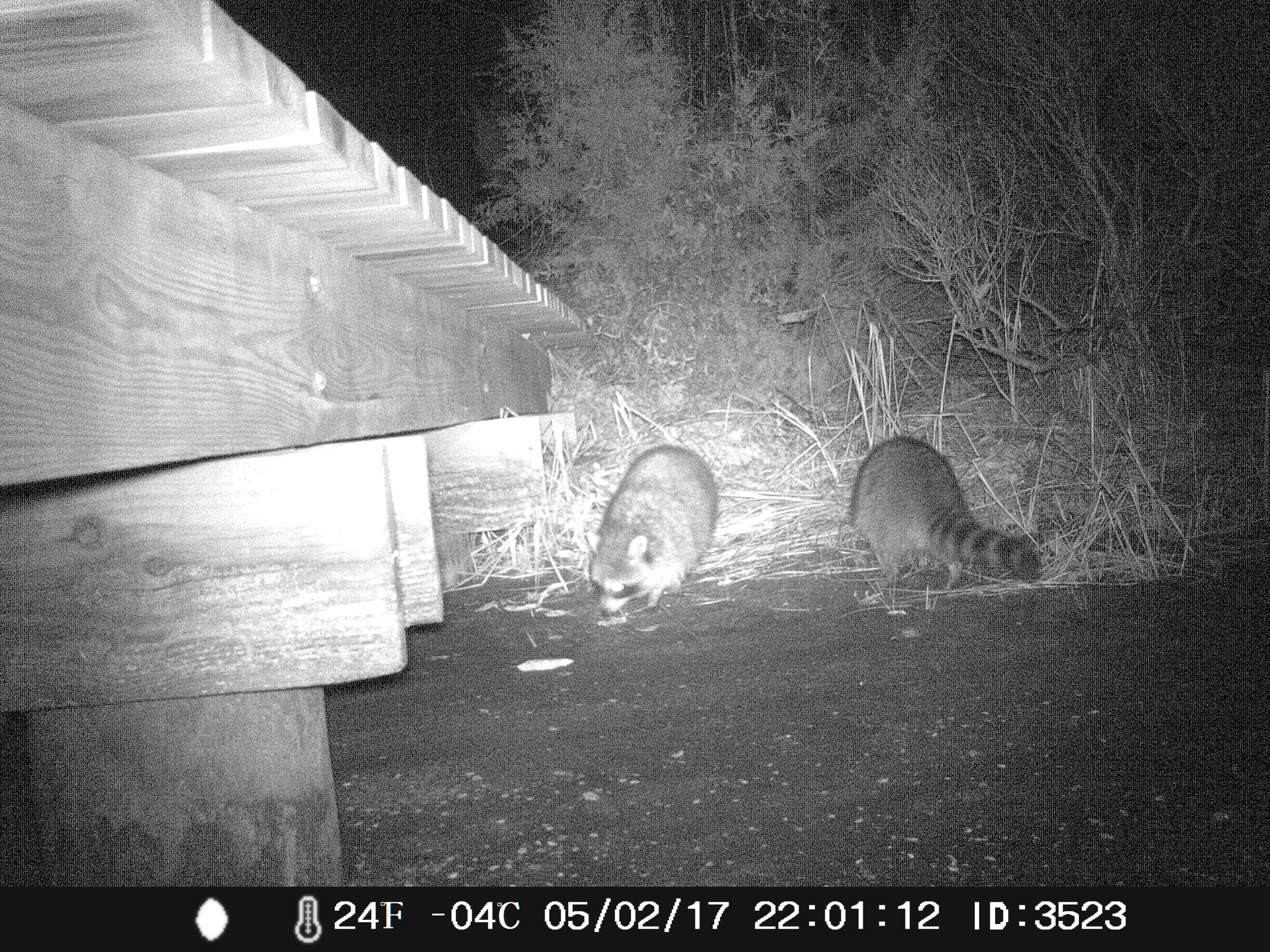
I found that there are some tips and tricks to using a trail camera. The type of camera you use will define how you set it up and the type of exposure and images you get. With ours we found that it works best if it's set a ways off of the main site where you expect to see the animal(s), if it is too close then the ensuing "flash" (which is UV and animals can't see well) may over-expose the animal or reflect too much off it's fur (see picture below).
Heavily trafficked human areas are also usually heavily trafficked animal areas, particularly cut-throughs and places where humans may leave food or wrappers. Learn how to find animal (and human) trails and start tracking. Look for animal tracks in sand or mud and use those as cues that they might be good locations to set the camera.
Baiting is a subject of "de-bait" (love the puns). I don't see it as a problem if it is a one time activity for educational purposes and not hunting (which is illegal), especially for non-game animals. However, you must walk a fine line with what is and is not legal in your state. Be sure to read up on your state's rules and regulations. If in doubt, leave it out.
From my own experience I know that going out to retrieve your trail camera after a night of recording is exciting. it's the thrills of the unknown and of "What did I get this time?" It's like opening up a Cracker Jack box to see what is inside. I'm a boring adult, but for kids this can be even more exciting. I would highly recommend getting a trail camera as a birthday or family gift. It encourages you to get outside, interact with nature, and develop a greater understanding of what lives around you. I guarantee you that your local animal community is much larger than you think. It's also exciting to try to record specific animals. A trail camera is a great investment for your own use or the classroom.
10 Science and Nature Experiments to do While at Home Finding Science Around Your…
Identifying A Baby Owl Baby Owl ID I sometimes get called to help with the…
Silverfish in Your House Silvery Silverfish and Nocturnal Munchies If you're like me, you get…
River Otter Poo-pori of Facts North American river otter (Lontra Canadensis): Photo- Publicdomainpictures.net) Things You…
Spiny Spiders of Fall What is that Spiny Spider? There's magic to fall, and the…
What do Dragonflies Eat? A Story of Prehensile Jaws, Butt Propulsion, and Biting Mouth Bits…