Rose Mosco Captures Nature Humor and Art in Her Drawings

Educational Humor and Art for Nature Lovers

If you're like me you may find that your sense of humor is somewhat esoteric and "nature-nerdy." I can't help it, I find nature funny, from the giant eye spots of butterflies to the funky way that male turkeys strut and puff and their snoods get bright red (what's not to love about a body part called a snood?). I truly enjoy intelligent nature based humor, and how better to present it than in art and drawings? The artist and naturalist Rosemary Mosco has combined just these features to create wonderful nature cartoons. Her website is called "Bird and Moon, Science and Nature Cartoons."

bird and moon logo
The Bird and Moon website logo.

...continue reading

Visit National Parks in 3-D Pop-up With the new National Parks Pop-up Book

1930s Style Posters Illustrations Bring Parks to Life in 3-D National Parks Pop-up Book

I have a love and appreciation for all that our National Parks do for conservation and protection of wild-lands in America. And as an outdoor educator that has worked in National Parks (yes, I wore the Smokey the Bear hat) I also respect how hard the Rangers and staff work with very little resources and pay. These parks have been tasked with excellence in service, collaborations, citizen science, heritage education, employee development, management, research, technology, and more (https://www.nps.gov/aboutus/mission.htm). Of the 59 parks under NPS there have been over 282 million visitors  each year, and the numbers are growing. The Great Smoky Mountains National Park saw over 10 million visitors in 2012 alone. The golden Gate National Recreation Area had over 14 million visitors, and the Blue Ridge Parkway had over 15 million visitors (National Parks Traveler).

...continue reading

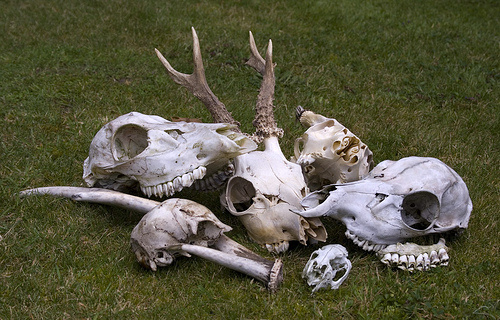
Distinguishing the Features of Antlers V. Horns

The differences between antlers and horns is greater than you think.

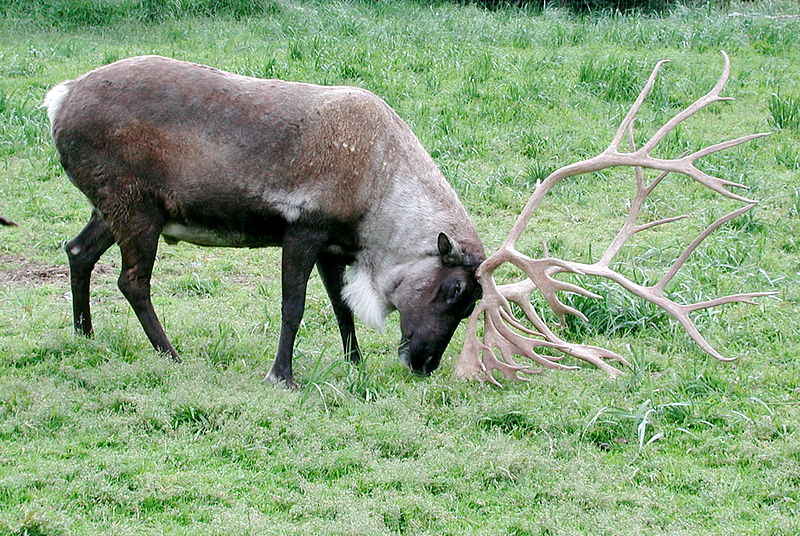
Often when guiding hikes outdoors in the fall we'll see a deer with a nice rack of antlers on their head. One of the common misconceptions is that deer have horns. This post will help you learn the difference between antlers v. horns.

caribou antlers wiki
Caribou with Antlers (Wiki Commons)

Antlers

Antlers are found only on members of the deer or Cervidae family. Members of this family include white-tailed deer, mule deer, black-tailed deer, moose, elk, reindeer, and antelope. Mostly it's the male deer that have antlers. Female caribou are the only female cervids that have antlers.

...continue reading

An Introduction to Black Widow Spiders

Check Your Firewood Before Bringing It Inside

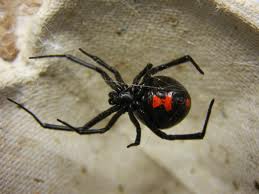
black widow
Common North American Black Widow Spider, Female (L. Mactans)

Every year around this time I'm reminded that it's important to check firewood carefully before it comes inside. We keep our wood under a tarp outside near the house. Many different invertebrates, and even salamanders and other reptiles, will overwinter in a wood pile. Be sure to shake off the wood you bring inside because the warm interior of your house is a perfect place to "wake-up" and start crawling around if you're an insect!

...continue reading

Walking Poles Are Good For Your Health and For Hiking

800px-TrekkingPolesCarbonWoman Wiki
Trekking poles, carbon fiber (Wiki commons)

Scientists and Researchers Support Using Poles To Hike and Walk 

Working outdoors, in a variety of terrains and situations with kids I find that my hands are usually taken up with field gear, children's hands, or pointing out objects along the trail. However, when I'm hiking alone or on a longer trek I find it useful to take along a walking stick or hiking poles, especially because I have bad knees. I was curious if there really was a benefit to my knees and health, or if it was just anecdotal. After some digging I found out some surprising results that I thought I would pass along to you for consideration.

...continue reading

Wood Frogs (Lithobates sylvaticus) Freeze Solid Over Winter and Then Come Back to Life in Spring

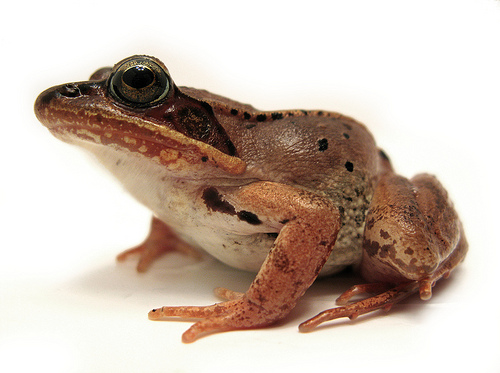
Flicker DAve Huth Wood Frog
Wood Frog (Photo: DaveHuth Flicker common use)

Here in North America there are a wide variety of toads and frogs but perhaps none are so unusual as the wood frog. These frogs are found in Eastern North America, Canada, and up into Alaska. On a warm spring night you might hear them singing(click her for sound clip) near bogs, vernal pools, or upland forests but something remarkable happens to them this time of year in the winter, they freeze solid. Now freezing solid isn't remarkable by itself, but what is remarkable is that the frogs will literally come back to life in the Spring after having no heartbeat or brain activity, and they don't breathe, for up to eight weeks! This baffles and amazes scientists, who are actively studying them even now.

...continue reading

Dr. Seuss Nature Books and TV Show on PBS for Children

Science and Nature in Verse

Dr. Seuss
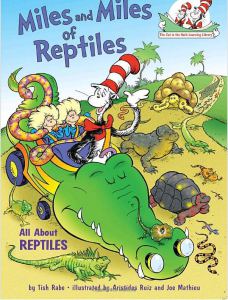
Dr. Seuss books of Science and Nature.

Growing up I always loved the Dr. Seuss books, especially the "Cat in the Hat," which is why I'm excited to say that there is a set of Dr. Seuss nature books for the next generation of kids. PBS has teamed up with Dr. Seuss artists and writers to create a series called "The Cat in the Hat Knows A Lot About That," which is a science and nature series of books, animated short films (30 minutes), and lesson plans for elementary school students.

...continue reading

Informal Education and Working with Home School Groups

A Guide To Help Other Information Education Venues work with Home School Students

Thomas Galvez flicker
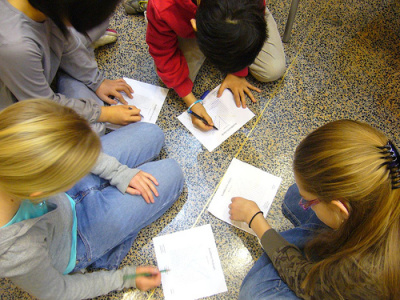
Photo: Thomas Galvez Flicker

After conducting informal science education programs (outside of the classroom) for over thirteen years I have found that the number of home school groups attending my programs has increased exponentially. With an increase in this audience I've found myself in conversation with other educators trying to forge a way to best meet the needs of the varied ages, rates of learning, and abilities that present themselves with home schoolers. In this post I'll attempt to share a bit of what I've learned that in turn might help others.

...continue reading

Join The National Audubon Society's 114th Christmas Bird Count

Flicker Dana Orlorsky(Photo: Flicker Common Use Dana Orlosky)

Each year brave and intrepid birders go out into the cold and snow to count birds for the Christmas Bird Count (CBC) with the National Audubon Society. Starting December 14th and going through December 1st people choose to join local birders from their region to help on one day during this rage. Participation is free and you can search for local clubs doing the count on this web page: http://netapp.audubon.org/CBC/public/default.aspx.

...continue reading

Consider Reusable Sandwich Wrappers as Stocking Stuffers This Year

Often when I'm teaching, the groups that I work with stay over for lunch between programs. I like to join them to continue getting to know the visitors and also to talk to them about reducing the amount of waste in their lunches. I like to discuss the idea of "Zero Waste" lunches. A zero waste lunch is when you have no waste left over after you eat because you eat all the food, compost what isn't eaten, recycle plastics, and re-use containers. It's fun to challenge a class to do this for a whole year and also to have competitions between classes by weighing the food and waste produced or left over in the trash after the end of a meal.

...continue reading

Where Can You Learn to Be a Master Naturalist?

States with Master Naturalist Programs and Classes

After a successful nature walk, talk, or program I'm often asked about where I received my education, what it takes to be a naturalist or nature educator, and where to get trained. I came to being a naturalist through an indirect route of loving nature and studying it on my own very early on, we're talking playground days. I started out in college studying Environmental Science and later picked up a Masters in Biology. However, along the way most of my naturalist skills have been through trial and error. These include reading books, using field guides, looking up neat things that I found on hikes, birding, looking for reptiles etc. If this all interests you then I'd suggest that you take some naturalist classes.

DSCF9176
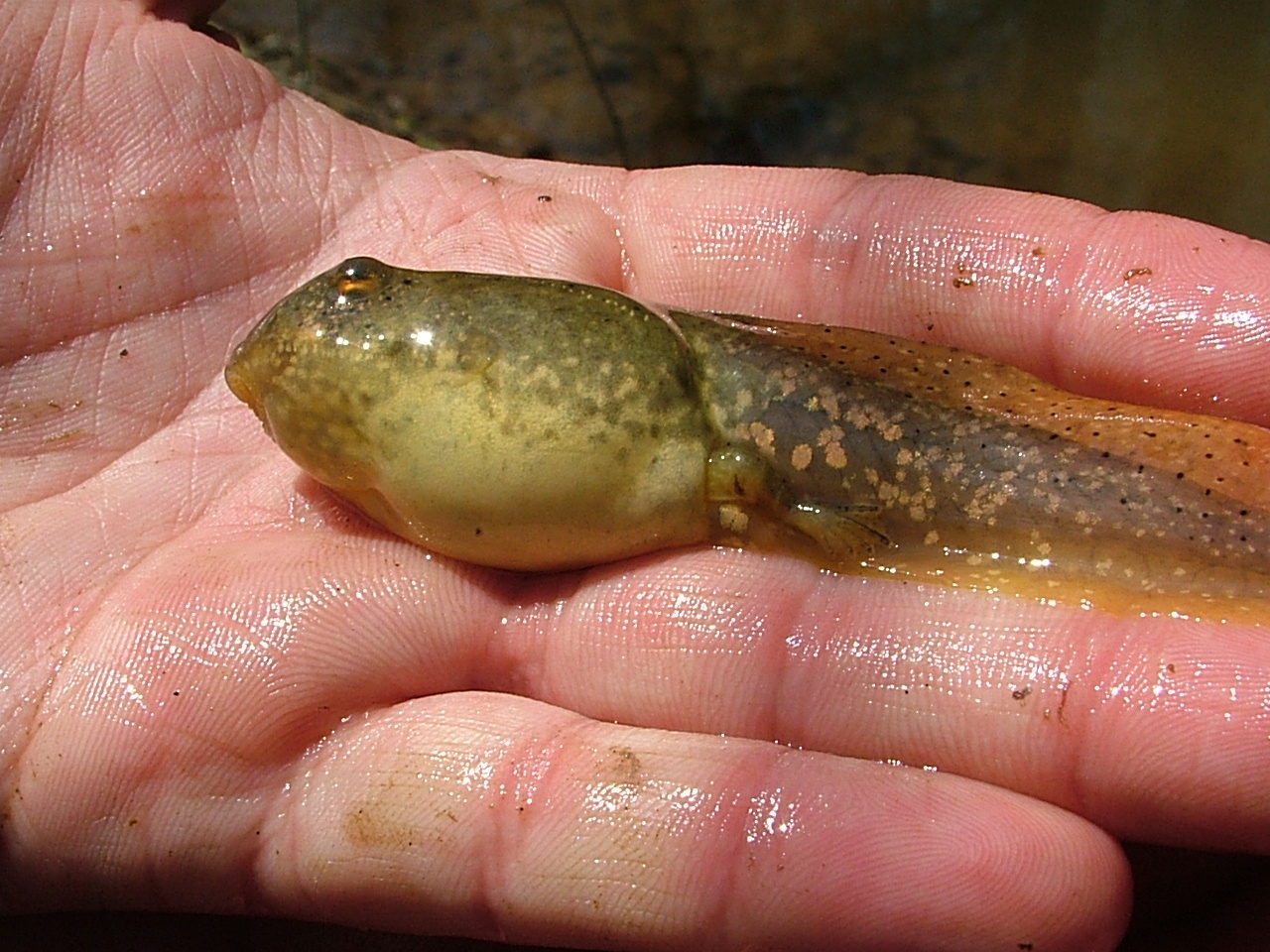
Frog tadpole found on citizen science collection trip (Photo: Karen McDonald)

...continue reading

Picking a Feather off the Ground May Get You Jail Time

Migratory Bird Treaty Act Makes Collecting Bird Feathers Illegal, the Feather Atlas from USFWS Can Help

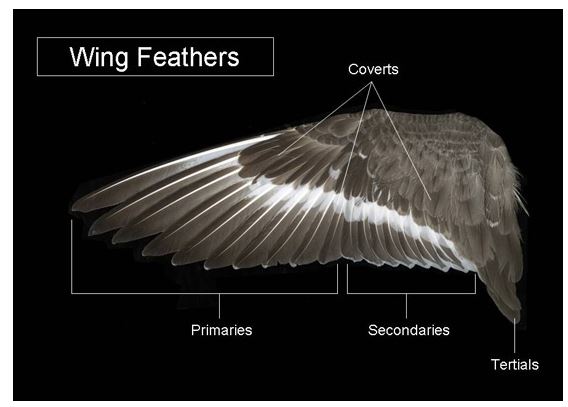
Often times when leading hikes I see visitors in my programs pick up bird feathers and want to know if they can take them home. I have to answer that by law, it's illegal. Most people are shocked to find out that picking up bird feathers, moving bird nests, or taking carcasses for stuffing is illegal. This is because of something called the Migratory Bird Treaty Act of 1918.

feathers
Feather Types Commonly Found (USFWS)

...continue reading

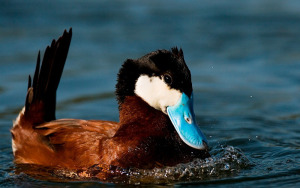
The Ruddy Duck: A Bird With Style

Ruddy Duck by Juan Pons
Male Ruddy Duck by Juan Pons

An Introduction to the Natural History and Identification of the Ruddy Duck (Oxyura jamaicensis)

In the winter a common visitor to our shores, and much of the South-East and Western US, is the Ruddy Duck (Oxyura jamaicensis). These ducks breed mostly in the ponds and marshes of prairies, fresh water wetlands, and lakes but they travel south each year from the Midwest and Canada to grace us with their elegance and the male's colorful attire.

...continue reading

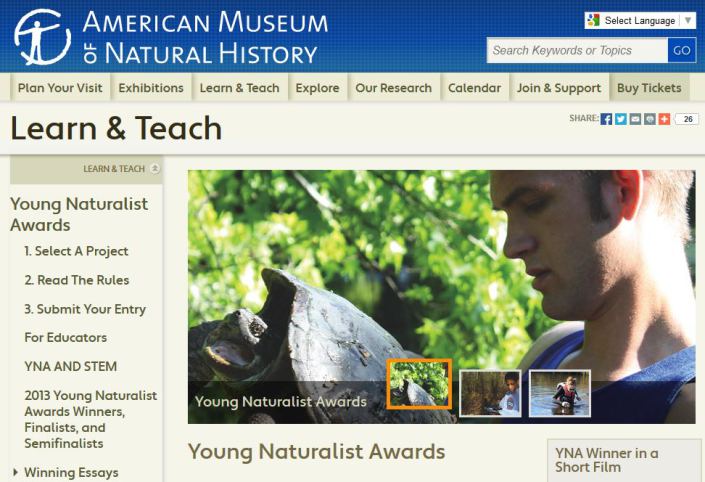
American Museum of Natural History Young Naturalist Awards Challenges Students in STEM

Do you know students in grades 7-12 that love science and nature and conducting their own science experiment? The American Museum of Natural History, in New York, is hosting its annual Young Naturalist Awards challenge for students around the US. It is open to traditional students as well as home school students.

Young naturalist awaards

...continue reading

3D Books for Learning

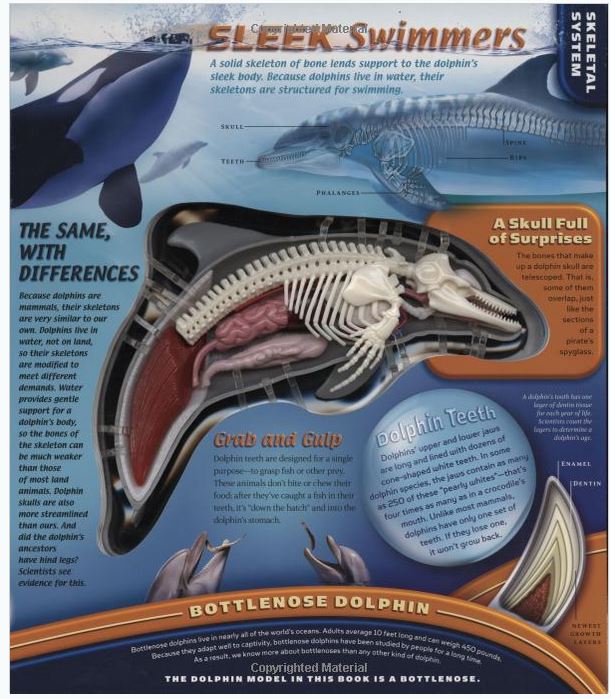
Uncover Books offer a range of books for kids (and adults) interested in knowing what goes on inside of animals.

As we're approaching Christmas, and attention is turning once again to holiday shopping and ideas I wanted to review a series of books that I've found to be a great supplement to my classes and that kids absolutely love. They are called "Uncover Books." The books are a hybrid of the models you made as a kid of the clear human body and a board book. But these books are much more.

Uncover books
Uncover 3-D Dolphin Book

...continue reading

The Winner of the Biomimicry & Mobility 2025 Design Challenge Announced

The Automotive World is Engaging with Nature and Biomimicry as an R & D Lab

Designers from the DesignLA Board of Directors, at the LA Auto Show Competition, have chosen the winner of this year's automotive design challenge titled Biomimicry & Mobility 2025. Competitors from around the world were invited to join the challenge that would use biomimicry, using models from nature, to create a vehicle to increase human mobility and efficiency. As stated on their website, "The winning entry will identify issues facing mobility like congestion, pollution, sustainability, flexibility and safety and to design a mobility solution that mimics nature to solve the challenges."

Suba-roo
The Suba-Roo personal mobility design concept.

...continue reading

Do You Find the EPA's New Awareness Graphic Helpful?

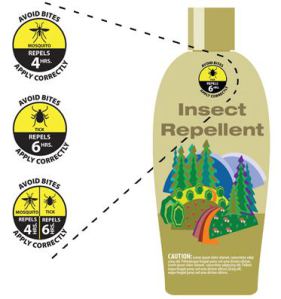
The EPA is looking for feedback on its new "Repellency Awareness Graphic" for insect repellent. The graphic would look something like what you see below, a circle with information about the types of insects it repels and the average number of hours it works.

EPA repellant ratings


...continue reading

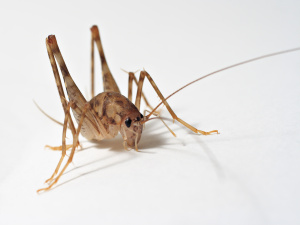
Camel Crickets 101

Ceuthophiluscricket-1


Meet the Harmless Camel Cricket or Spricket

How many times have you gone down into the basement, into the back yard, or into your garage and found a hopping creature that looks like a spider and has the legs of a cricket? (usually this is followed by screaming or impolite words). This leaping creature is the camel cricket, a nocturnal insect in the order Orthoptera and the family Rhaphidophoridae (Rap-he-doe-fore-a day). They are light tan and brown, about 1-1 1/4" long, and they don't have wings (so no worries about flying). Camel crickets are related to cave crickets and occur across the US, all continents, and most islands. They like moist, dark, and damp environments which explains why you find them in garages and basements. The most common species here in the US is the Spotted camel cricket but researchers are finding that the Japanese camel cricket is also starting to invade our homes too.

...continue reading

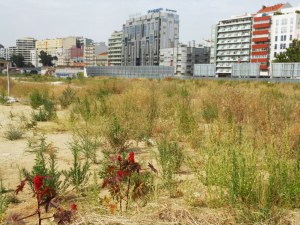
Guerrilla Gardening and Seed Bombs

Weeds_in_Vacant_Lot_(5941291239)

There's a movement afoot called urban guerrilla gardening and its goal is to "green" unsightly vacant lots, sidewalks, neglected planters and run-down areas. This is done by using some stealth, seed bombs (earth truffles), and sometimes a slingshot. If you're tired of ugly urban deserts this may be the solution for you. Although it's not really time time of year to be planting it's the perfect time to be thinking about gift giving. Why not give the gift of greening with seed bombs?

...continue reading

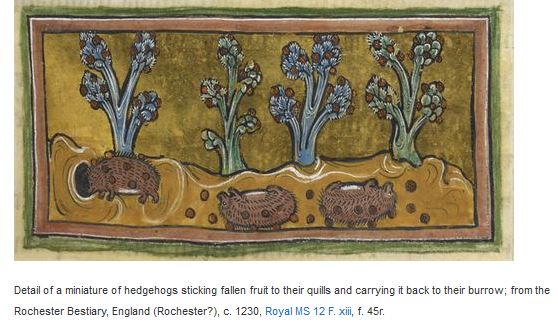
Medieval Bestiary Animal of the Day The Hedgehog

Hedgehog bestiary

Just to step outside the “normal nature” box I thought I'd focus on an animal, but not just any animal, one that is a modern pet and was of interest to Medieval scholars, the prickly hedghog.

...continue reading

3D Modeling and the Smithsonian Collections

Today the Smithsonian is releasing the debut of its new 3D Digitization Collections on its web page  Smithsonian X 3D (beta). This is a new way to curate the collections of the Smithsonian, not just through 2D pictures but also through 3D interactive images. Imaging like this will revolutionize how students visit the Smithsonian and interact with the collections.

First, a disclaimer, you will need 3D viewing capability on your web browser to see the images I'm talking about. If you have the newest version of Firefox or Google Chrome you'll be fine, and it works with Safari as well. I found that even though I have the newest version of Firefox that my 3D WebGL was not enabled. If you need help enabling the feature check out this super helpful website https://www.biodigitalhuman.com/home/enabling-webgl.html for some simple steps. This page from SI shows you the prerequisites http://3d.si.edu/article/prerequisites.

...continue reading

Choosing the Best Field Guide For Birding

As an educator I'm often asked to help people with advice about choosing a good field guide for bird watching or birding. There are so many different guides it's hard to wade through them all and to know which ones are the most user friendly. This post is not designed to tell you if the Sibley field guide is better than the National Geographic field guide.  I am giving you guidelines to help you make your own decisions by offering a rubric so that you can intelligently weigh all the options.

flicker common use Niconectado

(Photo: Common use flicker, Niconecado)

...continue reading

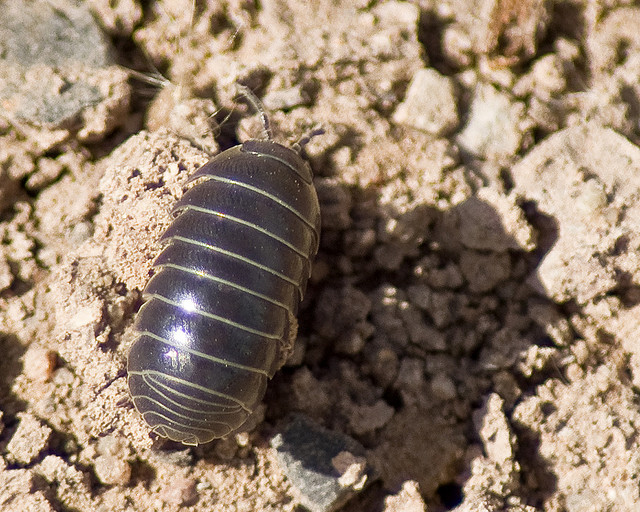
The Quietly Understated Roly Poly

pill bug

(Photo: Flicker, common use by Frank Carey)

One of the most common invertebrates you encounter when rolling over logs or looking under rocks are pill bugs, also called woodlice or roly polies. But have you ever really considered these harmless creatures? They lead a quiet and secret life, that of an aquatic invertebrate on land.

...continue reading

Review of SciStarter, Citizen Science Project Searchable WebsiteScreenshot_1

It's not often that I come across well organized and useful sites that pulls together science resources globally and locally, but SciStarter (http://scistarter.com/) is one. For me, this is a five star website.  Scistarter has been featured in Discover Magazine, NPR, WIRED, and BBC. On it's face it looks very simple, a searchable site for citizen science projects to get involved with.

...continue reading

An Introduction to Poison Ivy

As a naturalist one of the biggest concerns I run into out in the woods deals with poison ivy, so here's a quick primer.

What type of plant is poison ivy?

Poison ivy (Toxicodendron radicans) isn't really an ivy, like English ivy, which can be confusing. It's actually a plant that has many forms. You can find it crawling along the ground as a runner vine, as a bushy shrub, or climbing trees as a vine. It grows in most of North American, and can usually be found in disturbed areas that are sunny. They particularly spread where humans have been. Which means you'll find poison ivy along road sides, trails, rest areas, houses, etc. Unfortunately poison ivy really likes higher levels of CO2 as well, so as climate changes, it keeps growing!

...continue reading

Proper Focus Means the World When Being Outdoors

I know most of you already have binoculars, but one of the most common problems I find is that people don't really know how to focus them properly for their myopia (eyes with different sightedness). All of us have different eyes, we see better in one eye than the other, one is near sighted or one is far sighted, one needs contacts and another doesn't. All of this translates into needing to be able to adjust your binoculars properly when birding or out looking for wildlife. I can't tell you how many times I've taught classes, of adults and children alike, and no-one knew how to focus properly. They thought that it was a matter of simply looking through through the binoculars and turning the knob until everything looked clear.

If you want to know how to choose the right pair of binoculars for you check out this page from the Best Binoculars and Binocular Review Website http://www.bestbinocularsreviews.com/guides/.

...continue reading

Eastern Black Walnut Harvesting and Nut Preparation

It's not often that you find food lying around on the ground waiting to be harvested. In this post we'll explore how to harvest black walnuts and prepare them.

The Eastern black walnut (Juglens nigra) is a common tree in the Eastern US and provides a delicacy of nut meat. The Eastern black walnut is different from the English walnut that you find in grocery stores. The English walnut has a larger nut and thinner husk and it's easier to crack. The meat of black walnuts tangier and has a more nutty and wild taste. Black walnut trees produce nuts between September and October, with optimal harvest in mid to late October, though November is OK too.

...continue reading

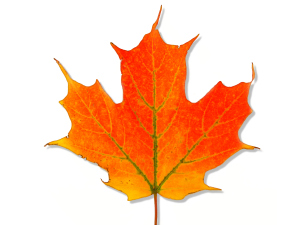
Leaf Snap: A Tree and Leaf ID App Using Your Phone

Acer saccharum - Sugar Maple fall leaves

Identifying Leaves with Technology

During the fall it's a natural time of year to think about leaves. If you are hiking in the field you may want to consider a leaf identification app called Leaf Snap http://leafsnap.com/. This app can be used with iPhone or Android and is free. It is designed to help with tree identification using leaves. I like the ease of use with the program, it is easy to navigate and get around the different offerings. When you open the app it allows you to brows different species of trees, check out your collection of photos, and options about photo size/user/etc. The main feature is the "Snap It" Icon. The only upshot to the snap-it function is that you can't just take a picture of a leaf outside on a tree, you have to put a single leaf on a white background. if you're in the field I'd suggest carrying a folded piece of paper or small notebook. When you take the picture the image is uploaded to their site, so those on limited data plans should take this as a consideration. Once the photo uploads the program then tries to identify your leaf with the closest match of the actual species.

...continue reading

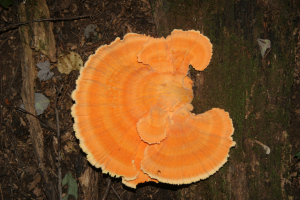
Chicken of the Woods (Laetiporus sulphureus)

IMG_8321

This time of year it's common to come across the "fruiting bodies" of fungus, from giant puff ball mushrooms to beautiful shelf fungus. One of the most common types of shelf fungus you'll see are Laetiporus sulphureus mushrooms, often called "chicken of the woods" or "chicken fungus." They are edible fungus with bright yellow-orange coloration and a white edge. You can be sure of your identification if the underside of the fungus doesn't have gills, but small pores. Of course the usual cautions apply, make sure you know it is truly edible before you eat it! The brackets of these fungi can be up to about 5" each and collectively they can weigh several pounds. The younger the fungus the more yellow it is. As the fungi age they turn more whitish. The softer and more yellow the fungus the better it is for eating!

...continue reading